
When wisdom teeth are coming through, early symptoms are often subtle and easy to dismiss. Many people first notice discomfort at the back of the mouth, mild jaw pain, or tenderness in the gums as wisdom teeth start coming through beneath the surface. These early warning signs can signal pressure, partial eruption, or irritation that may worsen over time. Identifying when wisdom teeth are coming through early allows a dentist to monitor movement, reduce the risk of infection, and prevent crowding or ongoing pain.
Wisdom teeth are the third and final set of molars that most people develop in the back of their mouths, usually in their late teenage years or early twenties. They typically come through between the ages of 17 and 25, but some people may not develop them until later in life.
As wisdom teeth are the last set of teeth to develop, they may not have enough room to fully emerge from the gums. This can cause them to become impacted, which means they are trapped beneath the gums and cannot break through. Impacted wisdom teeth can cause pain, swelling, infection, and damage to other teeth and gums. Ouch!
Many people choose to have their wisdom teeth removed, especially if they are causing problems or are likely to do so in the future. At Granite Belt, we are privileged to have Dr Jun Loh visiting who has a special interest in removing wisdom teeth and has a wealth of experience in performing complex extractions. So if you are wondering if wisdom tooth extraction is right for you, contact us today to find out more.
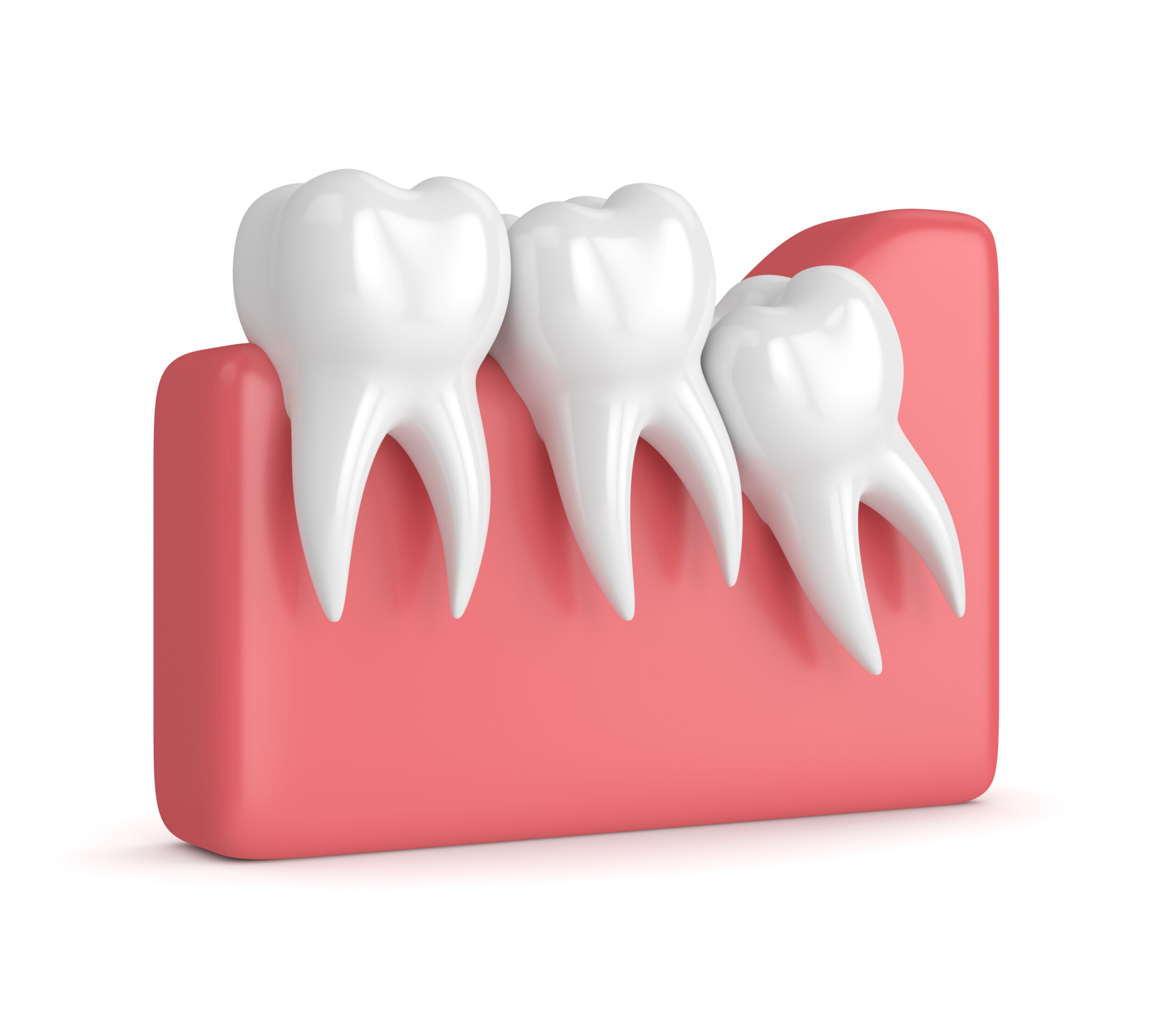
Some people may not experience any wisdom teeth symptoms when they first start coming in, while others may experience discomfort or pain. Here are some of the first signs of that your wisdom teeth might be coming in:
| Symptom | Description | What It Means |
|---|---|---|
| Pain in the back of the jaw | Dull ache or sharp pain near the rear molars, sometimes accompanied by gum tenderness. | Pressure from wisdom teeth pushing through gum tissue. Could also mimic TMJ pain or sinus issues. |
| Swollen or tender gums | Red, swollen, or sensitive gums near the back of the mouth; may include small pimples or cysts. | Gum tissue being stretched as teeth emerge. May cause pain when eating or brushing. |
| Crowding of other teeth | Teeth begin shifting or overlapping due to lack of space in the jaw. | Wisdom teeth are pushing against nearby teeth, affecting alignment and increasing decay risk. |
| Difficulty opening the mouth | Stiffness or limited jaw movement, often with discomfort while speaking, eating, or yawning. | Tension in the jaw caused by pressure from erupting wisdom teeth. |
| Headaches or earaches | Dull or sharp pain in the temples, behind the eyes, or near the ears. | Referred pain from jaw pressure. Can feel like a tension headache or be mistaken for ear infections. |
If you’re experiencing any of these symptoms, it may be a sign that your wisdom teeth are starting to come through. The best way to know for sure is to book a dental assessment. At Granite Belt Dental, we’ll examine your mouth and take X-rays to see if removal is needed, or if your wisdom teeth can stay safely in place.
It’s important to note that not all wisdom teeth need to be removed. However, if you’re experiencing any of the symptoms listed above, it’s important to see a dentist for an evaluation. They will be able to determine if your wisdom teeth are causing problems and whether or not they need to be removed. In some cases, it may be recommended to remove wisdom teeth even if they are not currently causing problems, but are likely to do so in the future.
It depends on the individual case and the recommendation of your dentist. In some cases, wisdom teeth that are not causing pain or other symptoms may not need to be removed. However, if they are impacting the alignment of other teeth or if there is a risk of infection or decay, it may be recommended to remove them. It is best to consult with a dental professional for personalised advice.
At Granite Belt Dental, we offer a wide range of treatments to cater for all your dental needs. Our team of experienced dentists in Warwick and Stanthorpe provides personalised care to ensure you receive the highest quality dental treatment. Whether you need routine check-ups, fillings, or more advanced procedures, we are here to help you maintain optimal oral health. If you’re experiencing wisdom tooth pain or are concerned about your wisdom teeth, book an appointment. Our dentists are able to diagnose the problem and recommend the most appropriate treatment plan to alleviate your pain and prevent further complications.
In this article we look at what fluoride does to teeth, and more.
Fluoride is one of the most studied chemicals in dentistry, and its effectiveness at improving oral health is undisputed. This naturally occurring mineral is in many of the products we use everyday, from the water we drink to the toothpaste we use. So let’s look at exactly what fluoride is, some of its pros and cons, and the importance of fluoride in modern oral health care.
Fluoride is a mineral that occurs naturally. It’s found in the Earth’s crust, in the air we breathe, in certain foods such as fish and tea, and even in our water. While fluoride’s existence is as old as the planet itself, its importance in dental health was only discovered in the 20th century.
In the field of dentistry, fluoride is viewed as a protective agent against tooth decay and cavities. It is incorporated into a broad range of oral health products – from toothpaste and mouthwash to professional dental treatments. For instance, most toothpaste brands that you’d find at your local grocery store, such as Colgate or Sensodyne, contain fluoride as a key ingredient.
Countless studies demonstrate the beneficial role of fluoride in dental health. Fluoride’s primary function is to aid in the remineralisation of tooth enamel, the tough outer layer that protects your teeth from decay. Consuming acidic foods and drinks, like your favourite orange juice or soft drink, can cause the enamel to weaken over time. Fluoride steps in to aid the repair process, helping to strengthen the enamel and reverse early signs of tooth decay.
On top of this, fluoride creates a more decay-resistant tooth structure, disrupting the process that leads to cavity formation. By doing this, it reduces the ability of bacteria to produce acid, which is the main cause of cavities.
Fluoride treatments provided by dental professionals during routine check-ups offer an added layer of protection. These treatments involve applying a high concentration of fluoride to the teeth, often in the form of a gel, foam, or varnish. For those who are prone to cavities or have a history of dental decay, these treatments can be particularly beneficial.
Despite the dental health benefits of fluoride, some people argue against its use due to concerns about toxicity. Like any substance, fluoride can have harmful effects if taken in excessive amounts. Overconsumption, particularly in children, can lead to a condition known as dental fluorosis. This condition typically presents as faint white lines or streaks on the teeth, but in severe cases, it can cause discolouration or pitting.
The levels of fluoride found in regular dental products and fluoridated water are safe for the majority of individuals. The risk arises when fluoride is ingested in large amounts consistently. For instance, swallowing toothpaste regularly can contribute to an excessive intake of fluoride.
Some people may generally be more sensitive to fluoride, and elderly people, those suffering from diabetes, and those with poor kidney function may be at higher risk for negative effects from fluoride. In these situations, fluoride-free alternatives, like Tom’s of Maine or Dr. Bronner’s toothpastes can be considered. It is essential to consult with a dental or health care professional to determine the best approach based on your needs and circumstances.
Fluoride toothpastes and fluoridated water have been the standard for many decades, and with good reason. Let’s delve into the pros and cons of fluoride.
While the use of fluoride toothpastes is highly beneficial for most people, there are rare side effects that you should be aware of.
Note that all of these drawbacks are only relevant when consuming excessive amounts of fluoride; normal intake levels should have no negative effects on most people.
The science-backed benefits of fluoride in preventing tooth decay are well established. From toothpaste to water supplies, fluoride plays a crucial role in maintaining oral health at the population level.
However, as with any substance, overexposure to fluoride can lead to adverse effects. It’s important to use fluoride products as directed and supervise young children to ensure they do not swallow toothpaste or other products containing fluoride.
In some cases, individuals might have specific health concerns or personal preferences that lead them to seek fluoride-free alternatives. If you’re considering this path, it’s essential to discuss it with a dental professional. Contact Granite Belt Dental if you’re in the Warwick, Stanthorpe, or Inglewood area and are looking for dental treatments tailored to your individual circumstances.
Brushing your teeth is second nature for most people, but flossing can be easy to skip. Still, cleaning between your teeth is one of the most important parts of maintaining a healthy mouth.
If you’ve ever wondered how often you should floss or whether you’re doing it right, this guide breaks it down. Whether you’re looking after your teeth or helping your kids with their routine, here’s what you need to know.
For most people, flossing daily is enough to keep gums healthy and prevent plaque from building up between the teeth. The timing isn’t as important as consistency. Whether it’s in the morning or before bed, what matters is that it becomes part of your daily routine.
Skipping flossing regularly can lead to gum irritation, bad breath, or early signs of gum disease. If you’re not flossing every day, aim to start small and build the habit over time.
| Age Group | Recommended Flossing Frequency | Key Notes |
| Toddlers (2–3 yrs) | Once a day (with help) | Start when two teeth touch. Parents should assist using floss picks or holders. |
| Children (4–12 yrs) | Once a day | Continue supervised flossing until they can manage independently. |
| Teens (13–17 yrs) | Once a day | Encourage consistency. Flossing is crucial if wearing braces or aligners. |
| Adults (18–64 yrs) | Once a day | Maintain regular flossing as part of daily oral care. |
| Seniors (65+ yrs) | Once a day (adjust if needed) | May require alternatives (e.g. floss threaders, water flossers). Ask your dentist if unsure. |
It’s important to start flossing early – usually when two teeth first touch, which can be around age 2 or 3. At this stage, children won’t be able to manage it on their own, so parents will need to help. Using floss picks or holders can make the process easier and more comfortable for small hands.
How often should you floss your child’s teeth? Once a day is ideal, just like adults. Building this habit early helps prevent decay between teeth and makes flossing feel normal as they grow. As kids get older, continue to guide them until they can do it confidently themselves.
As we get older, flossing can become more difficult – arthritis, limited mobility, or dental work like bridges and implants can make daily flossing harder to manage.
Even in later years, flossing once a day is still recommended. Regular flossing remains one of the best ways to prevent gum disease and maintain oral health.
For those with dexterity issues, alternatives like floss threaders, wider dental tape, or water flossers can make flossing more manageable. If standard flossing becomes too uncomfortable or ineffective, speak to your dentist about options that suit your needs.
Not sure what approach is right for you? The table below outlines simple flossing tips based on different needs.
| Situation | Recommended Flossing Approach |
| Still independent with brushing/flossing | Floss once daily using regular floss or dental tape. |
| Arthritis or reduced hand mobility | Use floss picks, wider grip floss holders, or water flossers for ease. |
| Wearing partial or full dentures | Floss natural teeth once a day. Clean dentures as per the dentist’s advice. |
| Dental implants or bridges | Use floss threaders or specialised implant floss to clean around hardware. |
| Cognitive decline or memory loss | Caregivers may need to assist with daily flossing and hygiene reminders. |
| Gum sensitivity or bleeding | Floss gently; ask your dentist if alternative tools are needed. |
Flossing reaches the tight spaces your toothbrush can’t. Even with good brushing habits, food and plaque often get stuck between the teeth and along the gumline. Over time, this can lead to bigger problems.
Daily flossing helps prevent:
After certain dental treatments, you might wonder if your flossing routine should change. While daily flossing is still important, the way you floss and when you start again can depend on the procedure and your dentist’s advice.
You can usually resume flossing gently the day after treatment unless told otherwise. Take care around the area and avoid pulling the floss upwards, as this can loosen a new filling or crown. Slide it out gently instead.
Skip flossing near the extraction site until it has healed, usually about 7 to 10 days. Flossing around other teeth should continue as normal unless your dentist says to pause. Keeping the rest of your mouth clean supports healing.
Flossing becomes more important with braces, as food and plaque build up quickly around brackets. Special tools like floss threaders or orthodontic floss can make daily flossing easier. For clear aligners, floss before putting them back in to keep your teeth clean and prevent decay.
Flossing daily is crucial to protect the gums and bone around your implant. Your dentist may recommend a specific floss or tool designed for implants to avoid damaging the tissue.
If your gums bleed when you floss, it’s usually a sign they’re inflamed, not that you should stop. Bleeding is common when you start flossing or it’s been a while since your last proper clean. In most cases, the bleeding will ease within a few days of regular, gentle flossing.
Gums can become swollen or sensitive when plaque builds up along the gumline. By removing that plaque, flossing helps reduce the inflammation over time. The key is to be gentle – avoid snapping the floss or forcing it between your teeth.
If your gums continue to bleed after a week or two, or if they’re sore or swollen, it’s worth checking in with your dentist. Early signs of gum disease are easier to treat when caught early.
Missing a day now and then won’t undo all your efforts, but making it a habit to skip flossing can lead to problems over time. Plaque starts forming quickly and can harden into tartar within 24 to 36 hours. Once that happens, only a dentist can remove it.
During your regular check-up, your dentist can:
If flossing has always felt uncomfortable or hard to keep up with, bring it up at your next visit.
Flossing is one of the simplest ways to protect your teeth and gums, but we know every mouth is different. If you’re not sure what type of floss to use, how to help your kids get started, or how often you should be flossing, we’re here to help.
We offer friendly, practical advice at our Stanthorpe and Warwick dental clinics, supporting families across the Granite Belt and Southern Downs region. Whether you’re nearby or live in one of the surrounding communities, you’re always welcome.
Have a question or need to book a visit? Give us a call or make an appointment online today.
Preparing for your dental visit can feel a bit daunting, especially if it’s been a while since your last appointment. At Granite Belt Dental, your comfort and well-being are our top priority, and that’s why we’ve created this comprehensive guide to help you confidently prepare for your next visit. Here are our 11 best tips from our resident dental experts to ensure your dental appointment runs smoothly and stress-free.
The first and simplest step in preparing for your dental visit is confirming your appointment. Most dental clinics, including ours, send a reminder via SMS or email. It’s important to respond to these messages promptly to confirm your attendance. This helps us manage our schedule efficiently and allows us to accommodate other patients who might be waiting.
Ensuring your personal and medical details are current is crucial for receiving the best care possible. If your contact details, medical history, or medication have changed since your last visit, please let us know ahead of your appointment. Accurate medical history helps us tailor treatments safely and effectively, particularly if you have allergies, heart conditions, or if there is a chance you might be pregnant.
Dental visits can be nerve-wracking, and it’s common to forget important questions during your appointment. Writing down any questions or concerns beforehand ensures that all your worries are addressed. We encourage open dialogue and aim to build a long-term relationship with you, so don’t hesitate to ask about anything concerning your oral health.
Regular brushing, flossing, and mouthwash use are key habits to maintain optimal oral hygiene. Ideally, brush twice daily, floss daily, and consider rinsing with mouthwash to reduce bacteria. However, resist the urge to overbrush or floss excessively just before your appointment—this can irritate your gums, particularly if they’re not accustomed to frequent flossing. A gentle brush and floss routine on the day of your visit is sufficient.
It’s best to avoid eating right before your appointment. Food particles can interfere with thorough dental examinations and cleanings. They may obscure issues, complicate cleaning, or cause discomfort during your appointment. Try to schedule your meal well in advance of your visit and ensure you clean your teeth thoroughly afterward.
Caffeine and alcohol can negatively impact your dental visit. These substances may heighten anxiety levels and even stain your teeth, complicating oral assessments. If anxiety is an issue, communicate openly with us—we have various approaches to ensure your visit is comfortable and stress-free without the need for stimulants or alcohol.
If you’re bringing your child to the dentist, preparation can ease their anxiety significantly. Explain in simple terms what they can expect during their visit, and avoid surprise visits that may escalate anxiety. If your child remains nervous, inform us ahead of time. Our friendly staff are skilled in making dental visits comfortable and positive experiences for our younger patients.
Rushing to your appointment can heighten anxiety and stress. Aim to arrive early, which provides ample time to settle in, complete any necessary paperwork, and mentally prepare for your dental treatment. Early arrival helps you feel relaxed and ensures the smooth running of our clinic’s schedule.
Having all the necessary documentation ready can significantly streamline your check-in process. Ensure you bring:
This information helps us verify your identity, process insurance claims, and tailor your dental care to your specific medical needs.
Clear communication with your dentist and dental staff is essential. Share any concerns, questions, or anxieties openly to allow us to provide tailored care. If you have specific fears or require extra reassurance, let us know beforehand or at the start of your visit.
Remember, preventive care is vital for maintaining excellent oral health. Regular dental check-ups and cleanings allow early detection of potential issues and can save you time, discomfort, and money in the long run.
By following these comprehensive tips, you can ensure your dental visit is efficient, comfortable, and stress-free. Your oral health is our priority, and we’re here to support you every step of the way. If you live in the Granite Belt region and have any further questions or need assistance preparing for your appointment, don’t hesitate to reach out to our friendly team. We look forward to seeing you soon and helping you achieve your healthiest, brightest smile.
How often should you visit the dentist?
We recommend visiting the dentist every six months for regular check-ups and cleanings. However, your dentist may suggest more frequent visits based on your specific oral health needs.
What happens during a dental check-up?
During your dental check-up, the dentist will examine your teeth and gums for any signs of decay, gum disease, or other dental issues. You’ll typically receive a professional cleaning to remove plaque and tartar, and we may also take X-rays to check in between and beneath the surface of your teeth and gums.
Is dental cleaning painful?
Most patients find dental cleanings comfortable. However, if you experience sensitivity or anxiety, let us know, and we can take extra steps to ensure your comfort during your treatment.
What if I have dental anxiety?
Dental anxiety is common and manageable. Please communicate your concerns with us—we offer various strategies and options to help make your visit as comfortable and anxiety-free as possible.
Can I see the dentist if I’m pregnant?
Yes, regular dental care is safe and highly recommended during pregnancy. Inform us about your pregnancy and any changes to your health so we can adjust treatments accordingly.
Dentures are a fantastic solution for restoring your smile, helping you speak, eat, and socialise confidently. However, over time, dentures can become stained and lose their bright, natural appearance. Fortunately, whitening your dentures is simple and safe with the right techniques.
In this guide, we’ll show you exactly how to whiten dentures at home, including fast solutions, methods with baking soda, and more.
Absolutely! Dentures, like natural teeth, accumulate stains and discolouration from daily activities such as eating, drinking, and smoking. However, it’s important to remember that dentures require regular cleaning. On top of this, regular teeth whitening methods aren’t suitable and could potentially damage dentures.
Thankfully, there are safe and effective ways to whiten dentures at home, and we’re here to walk you through them.
Understanding why your dentures are stained can help you prevent future discolouration. Dentures are typically made from acrylic or similar materials that easily absorb stains from:
So limiting your amount of these products or ensuring to drink lots of water while you are consuming them can help keep your dentures whiter for longer!
Creating a daily routine is key to maintaining bright, clean dentures. Here’s a simple four-step daily care routine:
Remove your dentures after meals and rinse them with cold or lukewarm water. This prevents staining particles from settling into the denture surface.
Use a soft-bristled toothbrush and a denture paste or non-abrasive cleaner. Avoid regular toothpaste because it’s abrasive and can scratch dentures, making them more prone to stains.
Soak your dentures overnight in a denture cleaning solution. Overnight soaking not only cleans but helps lift stains and sanitises your dentures effectively.
Always rinse your dentures thoroughly before placing them back into your mouth to remove any residual cleaning solution.
These steps provide a basic but effective daily gameplan towards keeping your dentures nice and white. But if you’d like to go a bit further, we have some more methods below.
Need immediate results? Here are some quick, safe home remedies:
One of the simplest yet effective ways is using baking soda.
Another powerful yet safe method involves hydrogen peroxide.
To ensure you don’t damage your dentures, avoid these common mistakes:
If home solutions aren’t providing the results you’re looking for, consider a professional cleaning.
Regular professional cleaning, at least annually, is highly recommended to maintain optimal denture health and appearance. If you’re in the Granite Belt area and would like a professional denture cleaning, contact us today.
Prevention is always better than cure. To maintain your newly whitened dentures, follow these preventative care tips:
By following these tips, you significantly reduce the risk of staining and ensure a longer-lasting brightness.
Learning how to whiten dentures at home doesn’t need to be complicated or time-consuming. Whether you’re dealing with everyday stains or need to quickly restore brightness, home remedies like baking soda, hydrogen peroxide, or specialised denture cleansers provide safe and effective solutions.
Remember, consistent daily care and occasional professional cleaning are the secrets to maintaining bright, beautiful dentures. With these tips, you’ll confidently smile, eat, and socialise, enjoying life to its fullest.
While these methods can help maintain your dentures’ brightness, it’s important to consult your dentist if you notice persistent stains or damage. Regular check-ups allow professionals to spot and address issues early, extending the life and comfort of your dentures. So if you’re in the Granite Belt area, Contact Granite Belt Dental today. We have dental clinics in Warwick and Stanthorpe.
When a tooth becomes damaged or infected, it can compromise both your comfort and dental function. Two common treatments for addressing these issues are root canals and tooth extractions.
Both options serve to relieve pain and restore oral health, but the best choice depends on your unique situation. Factors such as the condition of the tooth, overall dental health, and long-term goals are important to consider. With guidance from your dentist, you can make an informed decision that best suits your needs. Let’s take a look into each of these options.
A root canal is a dental procedure designed to save a tooth that is severely damaged or infected. The treatment involves removing the infected or damaged pulp from inside the tooth. Once the pulp is removed, the inner chamber of the tooth is thoroughly cleaned, disinfected, and sealed to prevent further infection.
To complete the process, the tooth is often restored with a crown to strengthen its structure and protect it from future damage. The primary goal of a root canal is to preserve the natural tooth, allowing it to function normally while maintaining your smile and overall oral health.
A tooth extraction involves the complete removal of a tooth from its socket in the jawbone. This procedure is typically recommended when a tooth is too damaged, decayed, or infected to be saved through other treatments, such as a root canal.
Extractions are also necessary in cases where the tooth poses a risk to overall oral health, such as severe crowding, advanced gum disease, or impacted wisdom teeth. Tooth extraction can be an essential step in alleviating pain, preventing further complications, and restoring oral health.
When deciding between a root canal and a tooth extraction, it’s important to weigh the benefits and drawbacks of each option.
| Category | Root Canal | Tooth Extraction |
| Pros | Preserves the natural tooth, maintaining your smile and structure. | Quick procedure, especially for straightforward cases. |
| Prevents neighbouring teeth from shifting. | Typically lower upfront cost. | |
| Maintains normal chewing function and jawbone health. | ||
| Cons | May require multiple visits for completion. | Can cause shifting teeth and misalignment if not replaced. |
| Higher initial cost (though often less costly in the long term). | May require additional treatments like bridges or implants. | |
| Jawbone loss over time due to the absence of a tooth root. |
Following your dentist’s aftercare instructions not only promotes healing but also reduces the risk of complications.
After a root canal, you may experience mild soreness for a few days. Pain relief medication and a soft diet can help minimise discomfort. Maintaining good oral hygiene is key to prevent infection, and you’ll likely need a follow-up appointment to place a crown for long-term protection.
Recovery from an extraction typically takes a few days to a week. Common tips include avoiding strenuous activity, eating soft foods, and using ice packs to reduce swelling. It’s important to avoid disturbing the blood clot in the socket by refraining from drinking through straws or smoking.
Root canals focus on saving and preserving your natural tooth, while extractions may be necessary for severe cases or long-term dental goals.
At Granite Belt Dental, we’re here to help you make the best choice for your oral health. Our compassionate and experienced team is dedicated to providing expert care and clear advice for your situation. If you’re unsure which option is right for you, book an appointment online or give us a call today, and let us guide you toward a healthier, more confident smile.