
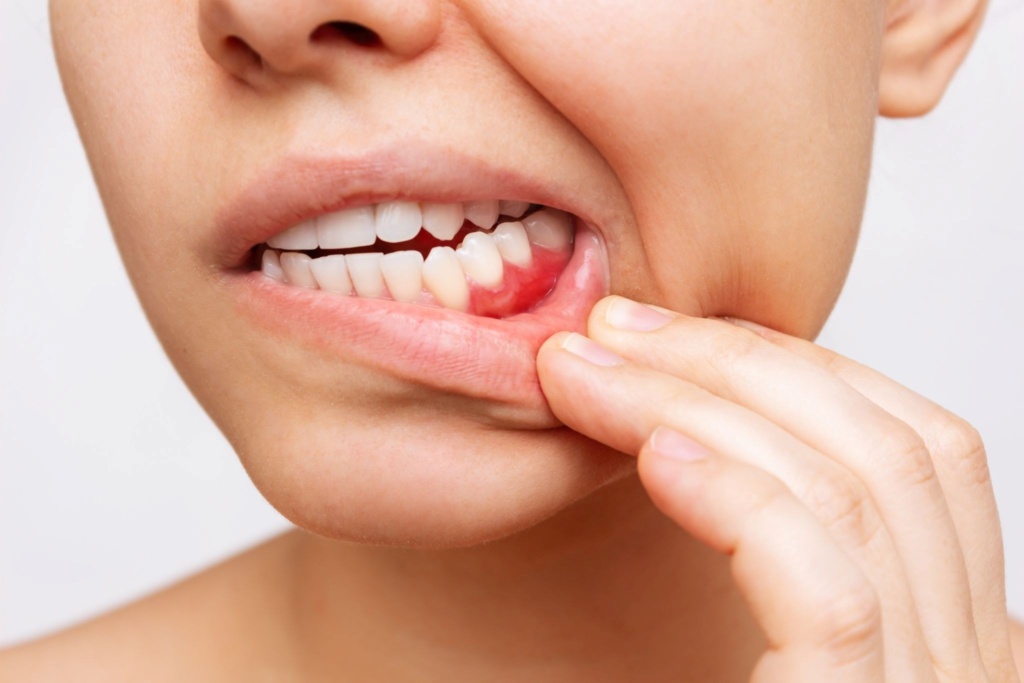
Gingivitis and periodontitis are two stages of the same condition: gum disease. Gingivitis is the early, usually reversible stage, while periodontitis is more advanced and can affect the bone that holds your teeth in place.
Here, our Granite Belt Dental team explains how to tell them apart, how each is treated, and when to book a check-up.
What Is Gingivitis?
Gingivitis is inflammation of the gums caused by a build-up of plaque, the soft, sticky film of bacteria that forms on your teeth every day. When plaque is not removed by brushing and flossing, the bacteria irritate the gum tissue along the gumline. If plaque stays in place, it can harden into tartar (calculus), which can only be removed by a dental professional.
Gingivitis is common and often easy to miss, because it is usually not painful. Signs to look out for include:
- Gums that bleed when you brush or floss
- Red, puffy or swollen gums
- Gums that feel tender
- Bad breath that does not go away
At this stage, the bone and connective tissue that hold your teeth in place have not been affected. With improved brushing and flossing at home and a professional scale and clean, gingivitis can usually be reversed and your gums can return to health.
What Is Periodontitis?
Periodontitis is an advanced form of gum disease that can develop when gingivitis is left untreated. The inflammation spreads below the gumline, and the gums can begin to pull away from the teeth, creating spaces called periodontal pockets. These pockets collect more plaque and bacteria, which are difficult to reach with a toothbrush or floss.
As the body responds to the infection, the bone and connective tissue supporting the teeth can gradually break down. Over time, this can cause teeth to loosen and, in some cases, be lost. Signs of periodontitis can include:
- Gums that have receded, making teeth look longer
- Persistent bad breath or a bad taste in the mouth
- Loose or shifting teeth, or changes in your bite
- Pus between the teeth and gums
- Discomfort when chewing
Unlike gingivitis, the bone and tissue loss caused by periodontitis is generally not reversible. However, with professional treatment and consistent home care, periodontitis can often be managed and its progression slowed or stopped.
Gingivitis vs Periodontitis: Key Differences
The simplest way to think about it is that gingivitis affects the gums, while periodontitis affects the gums and the structures beneath them.
| Gingivitis | Periodontitis | |
|---|---|---|
| Stage | Early, mild gum disease | Advanced gum disease |
| What is affected | Gum tissue at the gumline | Gums, connective tissue and supporting bone |
| Common signs | Bleeding, red or swollen gums | Receding gums, pockets, loose teeth, persistent bad breath |
| Discomfort | Usually little or none | May include tenderness or discomfort when chewing |
| Reversible? | Usually, with good care | Damage is generally not reversible, but can be managed |
| Typical treatment | Professional clean and improved home care | Deep cleaning below the gumline and ongoing periodontal care |
| Risk to teeth | Low if treated early | Can lead to tooth loss if untreated |
What Causes Gum Disease?
Both gingivitis and periodontitis start with plaque. The longer plaque and tartar sit along and below the gumline, the more irritation and inflammation they cause. Some factors can make gum disease more likely to develop or progress:
- Inconsistent brushing and flossing
- Smoking or vaping
- Diabetes, particularly when blood sugar levels are not well controlled
- Hormonal changes, such as during pregnancy
- Some medications that reduce saliva flow and cause dry mouth
- Crooked or crowded teeth that are harder to clean
- Stress and a weakened immune system
- A family history of gum disease
Having one or more of these factors does not mean you will develop periodontitis. It does mean regular check-ups are especially worthwhile, so any changes can be picked up early.
How Are Gingivitis and Periodontitis Treated?
Treatment depends on how far gum disease has progressed, so the first step is always an examination with your dentist or oral health therapist.
Treating gingivitis usually involves a professional scale and clean to remove plaque and tartar, followed by tailored advice on brushing and flossing at home. With consistent care, gums often begin to look and feel healthier within a few weeks.
Treating periodontitis generally requires a deeper clean below the gumline, known as scaling and root planing. This removes bacteria and tartar from the periodontal pockets and smooths the tooth roots so the gums can settle. Your dental team may recommend more frequent maintenance visits to monitor your gums. In more advanced cases, you may be referred to a periodontist (a gum specialist) for further treatment.
If teeth have been lost to gum disease, options such as dental implants, dentures or crowns and bridges may help restore your smile and bite. Your dentist can talk you through what suits your situation.
How to Prevent Gum Disease
The best way to avoid periodontitis is to stop gingivitis from taking hold in the first place. A few simple daily habits make a real difference:
- Brush twice a day for two minutes with a soft-bristled toothbrush and fluoride toothpaste, angling the bristles towards the gumline
- Clean between your teeth once a day with floss or interdental brushes
- Avoid smoking and vaping
- Limit sugary snacks and drinks, which feed plaque bacteria
- Drink plenty of water, especially if you experience dry mouth
Regular check-ups and professional cleans are just as important. Your dental team can remove tartar you cannot reach at home and spot early signs of gum disease before you notice them. Learn more about our preventive dental care.
When Should You See a Dentist?
Gums should not bleed regularly. If you notice bleeding gums, swelling, persistent bad breath, receding gums or teeth that feel loose, it is a good idea to book an appointment. Gum disease is much easier to treat early, and a quick assessment can give you peace of mind.
If it has been more than six months since your last check-up, now is a great time to book one, even if your gums feel fine.
Frequently Asked Questions
Does gingivitis always turn into periodontitis?
No. Not everyone with gingivitis develops periodontitis. However, untreated gingivitis can progress, which is why it is worth treating early.
Can periodontitis be cured?
The bone and tissue loss caused by periodontitis is generally not reversible. With professional treatment and good home care, the condition can often be managed and further damage slowed or prevented.
Is it normal for my gums to bleed when I floss?
Occasional light bleeding can happen when you start flossing, but regular bleeding is not normal. It is often an early sign of gingivitis and worth having checked.
How often should I have my gums checked?
Most people benefit from a check-up and clean every six months. If you have a history of gum disease, your dental team may recommend more frequent visits.
Can gum disease affect my general health?
Research has found links between gum disease and some other health conditions, including diabetes. Looking after your gums is one part of looking after your overall health, so mention any medical conditions to your dentist.
