
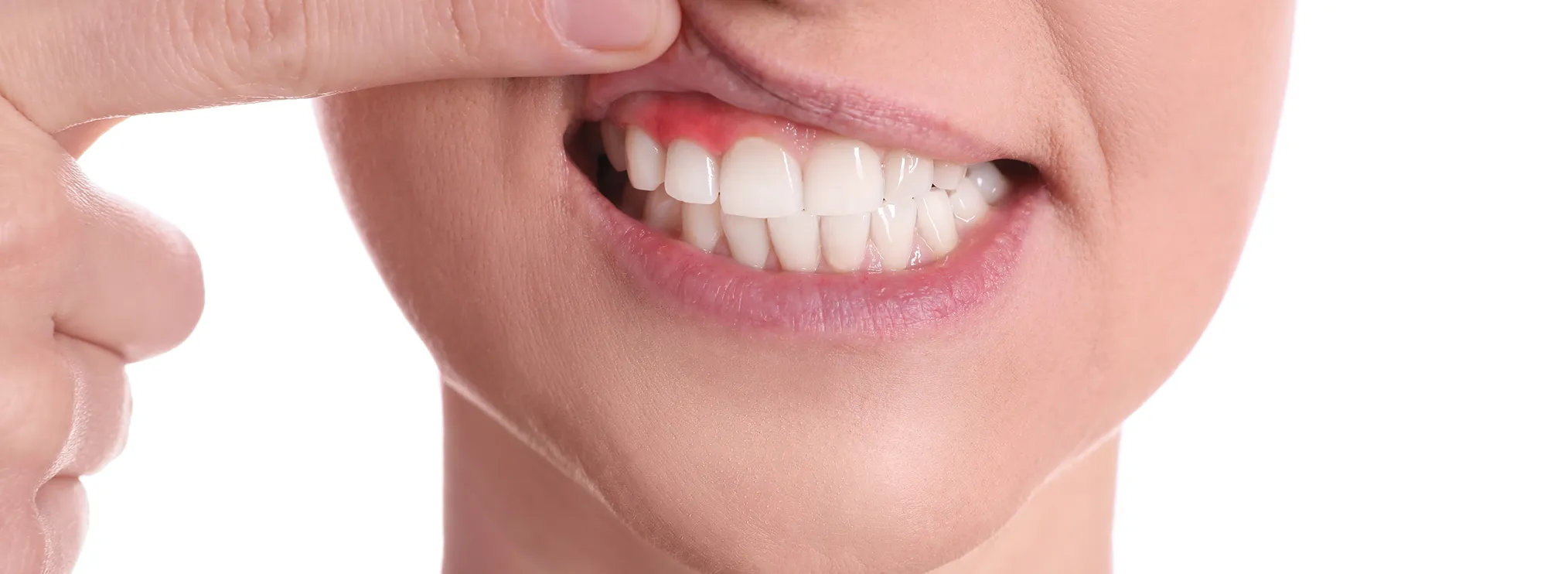
Symptoms of Teeth Grinding
Because teeth grinding often happens while you’re asleep, many people don’t realise they’re doing it until signs start to appear. Common symptoms of bruxism include:
- Worn, chipped, or flattened teeth – the constant grinding puts pressure on your enamel.
- Jaw pain or tightness, especially in the morning – clenching through the night can leave your jaw muscles sore.
- Frequent headaches, particularly around the temples – often caused by tension from jaw clenching.
- Increased tooth sensitivity – as enamel wears down, teeth become more sensitive to hot and cold.
- Disrupted sleep – grinding can disturb your rest or even your partner’s.
If you notice one or more of these signs, it may be a good idea to book a check-up so we can assess your teeth and jaw health.
Causes of Teeth Grinding
There isn’t always one single cause of bruxism. Often, it’s a combination of factors that lead to grinding or clenching, especially at night. Some of the most common include:
- Stress and anxiety – emotional tension can cause people to clench their jaw or grind their teeth without realising.
- Sleep disorders – conditions such as sleep apnoea are often linked with teeth grinding.
- Bite or alignment issues – when teeth don’t fit together properly, the jaw may overcompensate during sleep.
- Lifestyle factors – high caffeine or alcohol intake can increase the likelihood of grinding.
- Daytime habits – some people unconsciously clench their jaw while concentrating or under pressure.
Why Teeth Grinding Shouldn’t Be Ignored
Occasional teeth grinding might not seem like a big problem, but if it happens regularly, it can cause lasting damage. Left untreated, bruxism may lead to:
- Worn or cracked teeth – constant pressure weakens enamel and increases the risk of fractures.
- Tooth loss – severe grinding can loosen teeth over time.
- TMJ (jaw joint) problems – ongoing strain can cause pain, stiffness, and difficulty moving your jaw.
- Ongoing headaches and facial pain – often caused by tense jaw muscles.
- Interrupted sleep – which can affect your energy and wellbeing during the day.
Treatment Options at Granite Belt Dental
The good news is that teeth grinding can be managed, and our team can help protect your smile from further damage. Depending on your needs, we may recommend the following:

Custom night guards (splints)
A comfortable, protective appliance worn while you sleep to reduce pressure on your teeth and jaw.
Bite and alignment checks
If your teeth don’t fit together properly, we can assess whether orthodontic treatment may help.
Restorative care
If grinding has already worn or chipped your teeth, treatments such as fillings or crowns can restore strength and function.
Stress and habit management
Advice and strategies to help reduce clenching during the day or before sleep.
Lifestyle guidance
Support to minimise triggers such as excessive caffeine or alcohol.
Our goal is to find the right approach for you, helping you feel more comfortable and confident while protecting your long-term oral health.
How We Can Help
At Granite Belt Dental, we understand how uncomfortable and damaging teeth grinding can be. Our friendly team takes the time to listen, identify the cause, and provide treatment that suits your needs.